
Cheap Tractor Trailer Insurance in California
Cover the whole combination unit, not just the tractor. Your own trailers, leased trailers, and trailers you pull for others under an interchange agreement. One call compares Progressive, Mercury, Kemper and Hyundai.
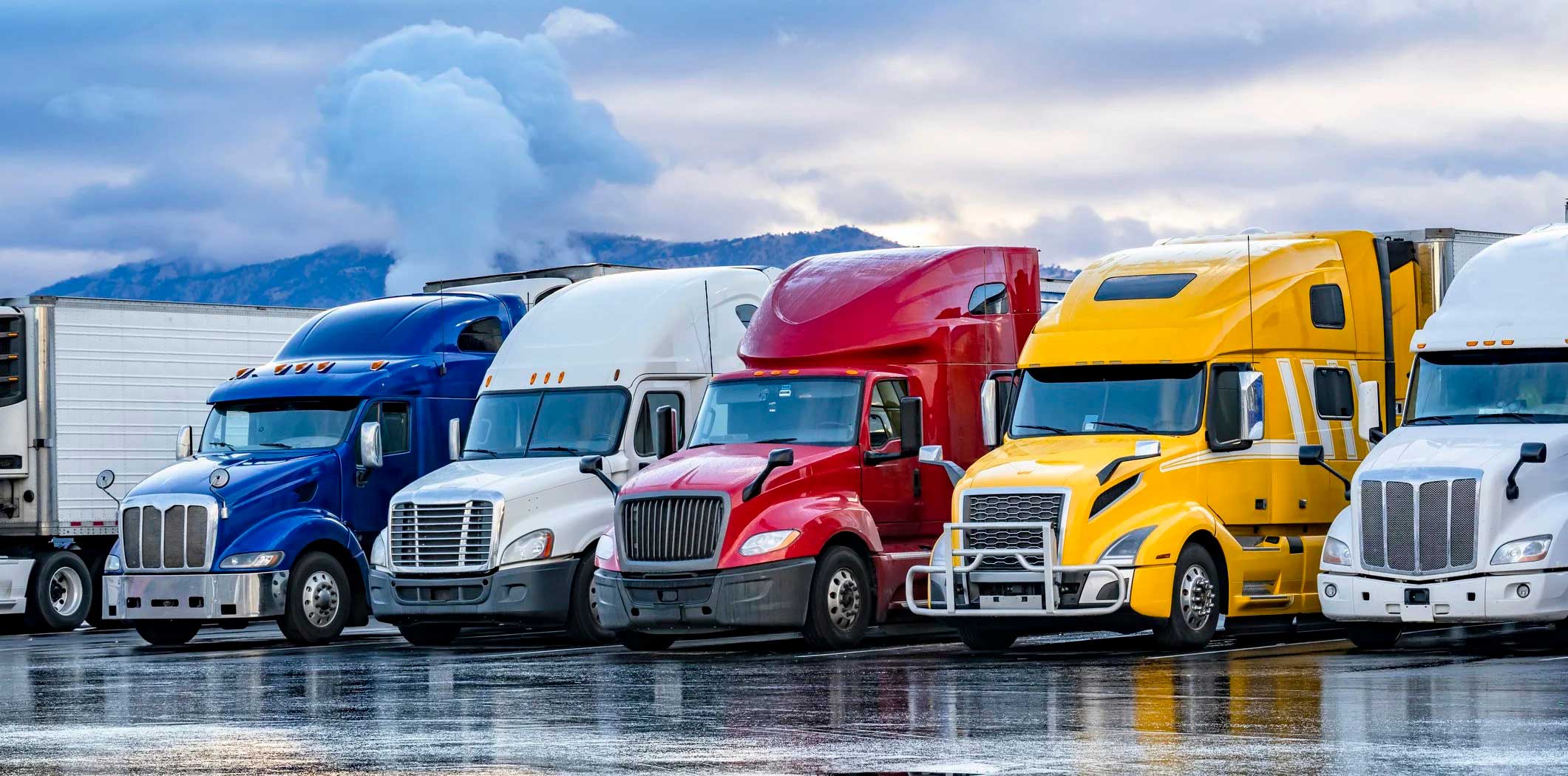
How much is tractor trailer insurance in California?
The trailer side is often the smaller part of the bill. Trailer interchange for one owner-operator can run about $10–$40 a month ($120–$450 a year) for a $20,000–$30,000 limit. A full tractor-trailer package with your own authority can run about $1,000–$2,000+ a month ($12,000–$25,000+ a year).
| Your setup | Typical cost | What's usually included |
|---|---|---|
| Trailer interchange, owner-operator | ~$10–$40/mo ($120–$450/yr) | $20K–$30K limit, $1,000 deductible |
| Trailer interchange, small fleet | ~$25–$75/mo per unit ($300–$900/yr) | Non-owned trailers under written agreements |
| Trailer interchange, $50K+ limit | ~$60–$125+/mo per unit ($750–$1,500+/yr) | Higher-value trailers, like reefers |
| Full tractor-trailer package, own authority | ~$1,000–$2,000+/mo ($12,000–$25,000+/yr) | $1M liability, cargo, physical damage on tractor and owned trailer |
What moves your price
Trailer coverage for a tractor trailer
It comes down to one question: whose trailer is behind your truck?
| Coverage | What it pays for | When you need it |
|---|---|---|
| Trailer physical damage | Comp and collision on a trailer you own | You own it. Required if financed. |
| Trailer interchange | Damage to someone else's trailer in your care, hooked up or dropped | You signed an interchange agreement (drayage, drop-and-hook) |
| Non-owned trailer | Damage to a trailer you don't own, while it is hooked to your truck | Power only for many trailer owners |
| Leased or rented trailer | Physical damage on a trailer you lease long-term or rent | Your lease says who insures it. Your agent will confirm. |
| Primary liability | Injuries and damage the whole rig causes to others | Required with your own authority |
| Motor truck cargo | The freight inside the trailer. Reefer haulers ask about reefer breakdown. | Brokers require it |
| Bobtail | Driving the tractor with no trailer hooked up | Leased on and often run without a trailer |
Tractor trailer insurance requirements
Liability rules cover the whole rig. Trailer rules come from the trailer owner. If you sign an interchange agreement, it will set the trailer limit you must carry.
Trailer interchange needs a written, signed agreement. Without one, a claim can be denied. Keep a copy and send it to us. Running only inside California for hire? You also need a CA Motor Carrier Permit (MCP). We do the filings for you.
Your agent will confirm the exact limits for your trailers and contracts.Got an interchange agreement to sign?
Send it to us before you sign. We'll quote the trailer limit it asks for, nothing extra.How to get cheap tractor trailer insurance without cutting coverage
- 1Pick the right trailer coverageInterchange or non-owned? Buy the one your work needs. Only buy both if you truly need both.
- 2Match the limit to the agreementIf the agreement asks for $25,000, don't pay for $50,000. Check each new agreement you sign.
- 3Keep your trailer list currentRemove trailers you sold or returned. Each one left on the policy adds premium.
- 4Raise your trailer deductibleA higher deductible lowers the premium. Keep that cash set aside for a claim.
- 5Shop again 45 days before renewalWe re-shop the tractor and trailer coverage together before each renewal.
"I am in the trucking business and often need quick changes and add ons. She is always available via phone or email."
Tractor trailer insurance FAQ
How much does trailer interchange insurance cost?
For one owner-operator, about $120–$450 a year for a $20,000–$30,000 limit with a $1,000 deductible. Small fleets often pay $300–$900 a year per unit. Higher limits cost more.
Who has the cheapest tractor trailer insurance?
No one company is cheapest for everyone. Each carrier prices your trailers, record and lanes in its own way. So we quote Progressive, Mercury, Kemper and Hyundai side by side. Then we show you the lowest price for the coverage your contracts need.
What's the difference between trailer interchange and non-owned trailer?
Trailer interchange needs a signed interchange agreement. It covers the trailer while it is in your care, hooked up or dropped. Non-owned trailer does not need an agreement. But it usually only covers the trailer while it is hooked to your truck.
I run power only. Which trailer coverage do I need?
It depends on who owns the trailers. Pulling for one company under an agreement? That points to trailer interchange. Pulling for many different owners? That points to non-owned trailer. Some power-only truckers need both. Your agent will confirm.
Does my liability insurance pay to fix my own trailer?
No. Liability pays for damage you cause to others. To fix your own trailer, you need trailer physical damage (comp and collision) on that trailer.
What if I pull a trailer worth more than my limit?
You pay the difference. Non-owned trailer coverage pays up to the value you declare. If your limit is $40,000 and the damage is $90,000, you owe the other $50,000. Tell us the most expensive trailer you pull.
Do I need special coverage for a leased trailer?
Often, yes. Many trailer leases say you must carry physical damage and list the leasing company on the policy. Send us the lease and your agent will confirm what it asks for.
What do I need to get a tractor trailer quote?
Your CDL, the VINs for the tractor and any trailers you own, trailer types and values, any interchange agreements, your DOT or MC number, and your current dec page. Missing something? We can start anyway on the call.